Wondering whether Twin Palms is the right place to buy your Palm Springs home? If you love Mid-century Modern design, indoor-outdoor living, and neighborhoods with a strong sense of identity, this area deserves a close look. Twin Palms offers more than iconic rooflines and walls of glass. It gives you a chance to buy into one of the foundational modernist neighborhoods in Palm Springs. Let’s dive in.
Why Twin Palms Stands Out
Twin Palms is a recognized south Palm Springs neighborhood with its own city-supported neighborhood identity and an active neighborhood organization. That matters because it reflects a place with civic involvement, ongoing community activity, and a clear local presence.
For buyers, Twin Palms stands out because it is not simply a neighborhood with older modern homes. It is tied directly to the early Alexander-era story that helped shape Palm Springs design culture. If you want a home with architectural significance, Twin Palms carries real weight.
Twin Palms Architecture Basics
A foundational Alexander tract
Twin Palms Estates was the first Alexander Construction Company residential development in Palm Springs. According to the City of Palm Springs historic survey, the tract was subdivided in 1955 and homes were built from 1957 to 1958.
That history gives the neighborhood a special place in the local market. Many buyers know later Alexander neighborhoods, but Twin Palms is the earlier and more distilled version of that design legacy.
What the original homes look like
The original homes in Twin Palms were built as one-story Mid-century Modern residences on 10,000-square-foot lots. The city survey says they were assembled on 40-by-40-foot concrete pads and generally followed two versions of a square-based floor plan with a central utility core.
Rooflines varied, which helps create visual interest from house to house. Original forms included butterfly, gable, and flat roofs, and many homes are associated with the clean geometry that buyers seek in classic Palm Springs architecture.
Why design details matter
In Twin Palms, square footage is only part of the story. Design features like walls of glass, clerestory windows, breezeways, and indoor-outdoor flow often have a direct effect on how a property is perceived.
For many buyers, the appeal comes from whether a home still reads as an original Krisel and Alexander design. A well-preserved or thoughtfully renovated house can feel very different from a heavily altered one, even if the size is similar.
What Daily Life Feels Like
Twin Palms has a low-density residential feel shaped by its cul-de-sac street pattern and large lots. The city survey describes a strong sense of time and place, and that matches what many buyers want in Palm Springs: privacy, space, and a clear neighborhood identity.
This is also a neighborhood with an active local culture. The Twin Palms Neighborhood Organization, formed in 2013, has continued to organize meetings, volunteer efforts, and community resources. That gives the area a preservation-minded atmosphere rather than a purely resort-driven feel.
Indoor-outdoor living is central
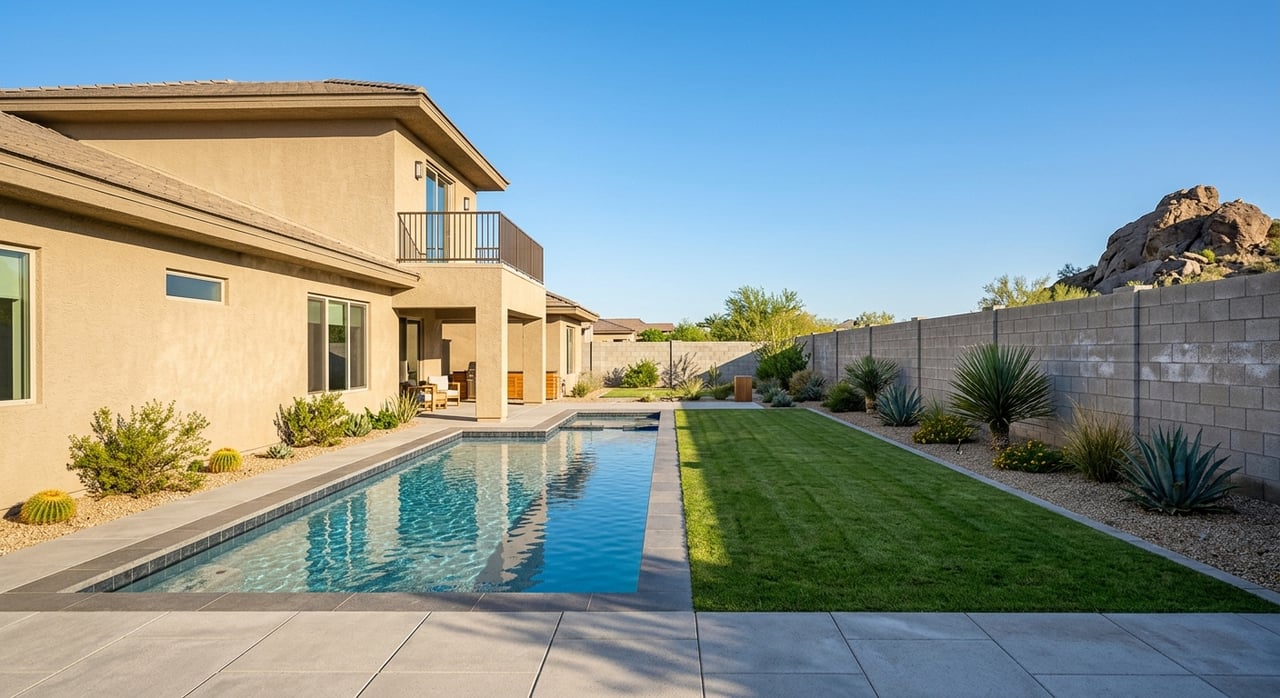
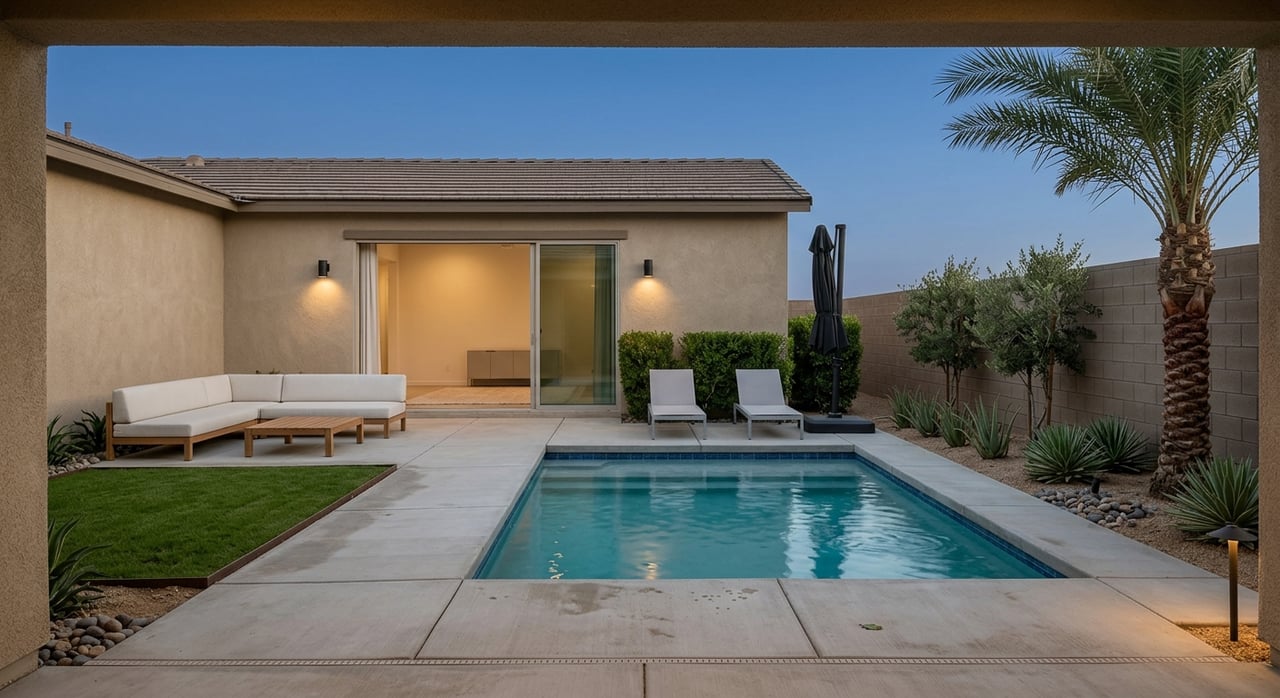
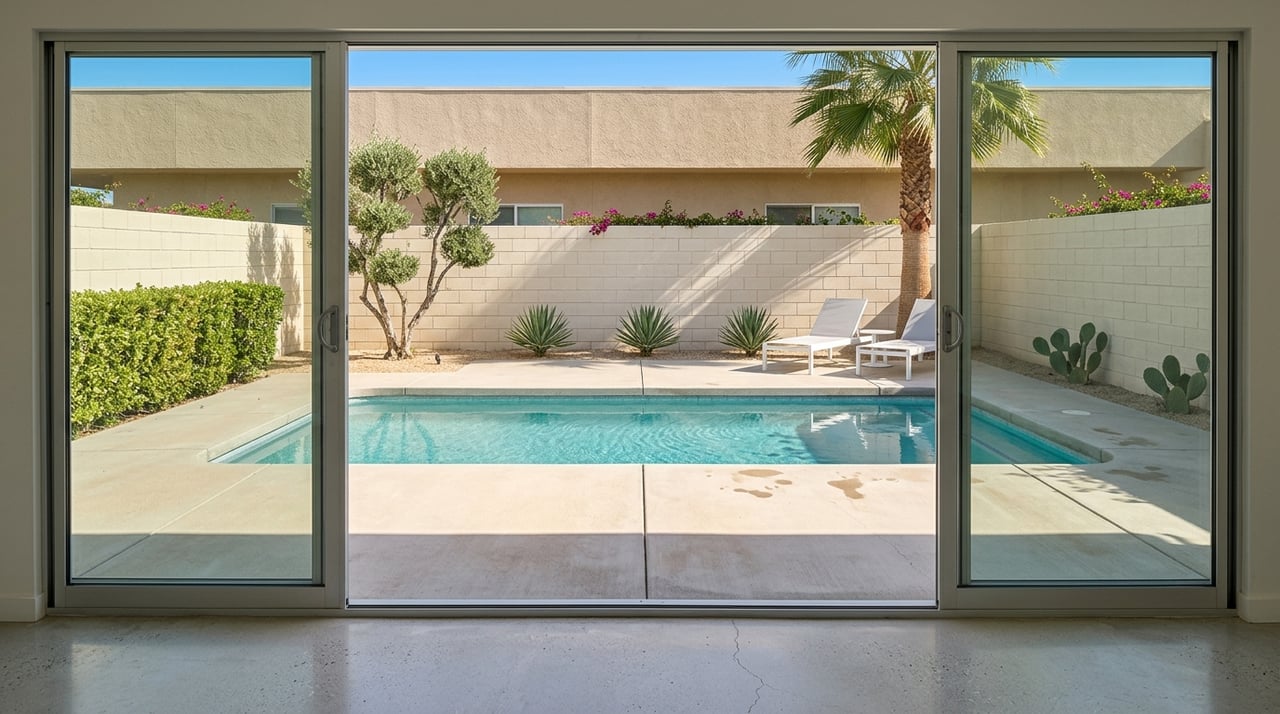
Outdoor living is part of Twin Palms’ DNA. Tour materials and city resources highlight features such as floor-to-ceiling glass, butterfly roofs, clerestory windows, breezeways, and poolside settings.
If you are buying here, you are likely buying into a lifestyle as much as a floor plan. These homes were designed to connect interior rooms with patios, pools, mountain views, and desert light.
A neighborhood with design stewardship
Twin Palms is regularly featured in home tours tied to Palm Springs design culture, including Modernism Week programming. The neighborhood organization also notes that its tours have attracted visitors from across the country and abroad.
That tells you something important as a buyer. In Twin Palms, architectural character is not incidental. Many owners and neighbors value preservation and thoughtful upkeep, which can influence both the feel of the neighborhood and long-term property appeal.
What Buyers Should Know Before Purchasing
Pricing can vary widely
Twin Palms pricing does not always move in a straight line because the neighborhood includes a mix of original homes, updated properties, and homes with different levels of architectural integrity. In March 2026, Realtor.com reported 32 active listings, a median listing price of $345,000, a median price per square foot of $609, median days on market of 56, and average sales about 2.26% below asking.
At the same time, Zillow estimated the average Twin Palms home value at $696,440 in late April 2026, up 5.1% year over year. The takeaway is simple: you need to evaluate the specific property, not just the neighborhood headline number.
HOA status is not uniform
One of the biggest mistakes buyers can make is assuming every property in Twin Palms follows the same ownership structure. The neighborhood organization has voluntary dues, but that is separate from a mandatory HOA tied to a particular property.
The research also notes a city staff report for one Twin Palms address involving a 40-unit HOA on roughly five acres. So before you write an offer, confirm whether the property has an HOA, what the dues are, what the rules cover, and whether there are reserves or special assessments.
Historic review may affect renovations
If you are excited about remodeling, slow down and do your homework first. The City of Palm Springs states that when a building is classified for protection, exterior changes are reviewed by the Historic Site Preservation Board.
Because Twin Palms Estates Historic District is identified by the city as eligible for local historic designation, buyers should confirm whether a home is a contributing property in the historic tract. That can matter before changing rooflines, windows, exterior materials, or other visible design features.
Smart Buyer Tips for Twin Palms
1. Confirm where the home sits in the tract
Not every home will carry the same historic context. Ask whether the property is inside the core historic tract and whether it is considered a contributing property.
That information can affect renovation flexibility, future resale positioning, and how the home is viewed by architecture-focused buyers.
2. Look past finishes
A beautifully staged kitchen or updated bath can catch your eye, but the bigger question is whether the home still retains the architectural elements that define Twin Palms. Pay attention to rooflines, window patterns, breezeways, and the overall relationship between the house and the lot.
In this neighborhood, original design character can carry significant value. Cosmetic upgrades are helpful, but architecture often leads the conversation.
3. Review any planned exterior work early
If you are thinking about replacing windows, changing the roof profile, altering exterior materials, or redesigning visible front elevations, check city guidance before you close. It is much better to understand review requirements upfront than after you own the home.
This is especially important in a neighborhood where preservation status and architectural identity are closely tied to value.
4. Verify HOA details property by property
Do not rely on assumptions, and do not treat neighborhood dues and property HOA obligations as the same thing. Ask for the specific documents tied to the parcel you are considering.
That includes dues, rules, reserve information, and any pending assessments. Even in a small neighborhood, ownership structure can vary.
5. Study the lot as much as the house
Twin Palms is known for large lots and one-story homes that support indoor-outdoor living. That means the pool area, patio layout, privacy walls, and overall site orientation may matter almost as much as the interior square footage.
A property with strong outdoor flow can deliver the Palm Springs lifestyle buyers are often after. In Twin Palms, that is not a bonus feature. It is part of the original design idea.
Who Twin Palms May Suit Best
Twin Palms can be a strong fit if you want an early Palm Springs modernist home with architectural identity and a clear neighborhood story. It may also appeal to buyers who appreciate preservation-minded ownership and want a residential setting rather than a dense commercial environment.
If you are looking for a design-forward second home, an investment with strong architectural appeal, or a property where renovation quality truly matters, Twin Palms deserves serious attention. The neighborhood offers a mix of lifestyle value, design credibility, and local history that is hard to duplicate.
Final Thoughts on Buying in Twin Palms
Buying in Twin Palms is about more than finding a house in Palm Springs. You are buying into a neighborhood with a defined architectural legacy, a strong indoor-outdoor lifestyle, and buyer considerations that call for careful due diligence.
If you understand how to evaluate originality, historic context, HOA structure, and renovation limits, you can make a much smarter move here. And if you want guidance from someone who understands Palm Springs architecture and neighborhood nuance, Marco Colantonio can help you navigate the search with clear, local insight.
FAQs
What makes Twin Palms important in Palm Springs?
- Twin Palms Estates was the first Alexander Construction Company residential development in Palm Springs, making it a foundational neighborhood in the city’s Mid-century Modern story.
What kind of homes are common in Twin Palms?
- Twin Palms is known for one-story Mid-century Modern homes on large lots, often with features like butterfly, gable, or flat roofs, walls of glass, clerestory windows, and strong indoor-outdoor flow.
What should buyers check before renovating a Twin Palms home?
- Buyers should confirm whether the home is a contributing property in the historic tract and whether proposed exterior changes may require review by the City of Palm Springs Historic Site Preservation Board.
Does every Twin Palms property have an HOA?
- No. HOA structure is not uniform in Twin Palms, so buyers should verify dues, rules, reserves, and any special assessments for the specific property they are considering.
Are Twin Palms home prices consistent across the neighborhood?
- No. Prices can vary because the neighborhood includes original homes, renovated properties, and homes with different levels of architectural integrity, so each property should be evaluated individually.