You cannot walk onto the courts that gave this neighborhood its name. The Palm Springs Tennis Club is a private, member-based social club, not a public facility, and it has operated that way since Pearl McCallum McManus opened it in 1937. So the obvious question for anyone who lives inside the boundaries of the Historic Tennis Club neighborhood is simple: if the club itself is off limits, what actually organizes a week here? The answer has less to do with the courts than with two restaurants that inherited the club's old buildings, a trailhead a few blocks from most front doors, and a volunteer group of neighbors who run more of the neighborhood's actual social life than the club ever does.
A Club Most Residents Will Never Join
The history is worth knowing because it explains the layout you walk past every day. McManus subdivided what was then called Tahquitz Park in 1923, and by 1937 she had built two tennis courts that were considered the best in the world when they were installed, along with a swimming pool landscaped with V-shaped palms that became a template for resort pools for years afterward. The clubhouse opened in 1938, designed by Los Angeles architect Paul Williams, the first Black member of the American Institute of Architects.
None of that history is something you can walk into today unless you hold a membership. The Palm Springs Tennis Club describes itself as a non-profit, unincorporated social club, and its 11 courts, three pools, and five spas remain reserved for members and hotel guests, not neighborhood foot traffic. The name stuck to the surrounding blocks, but the building at the center of it moved on to a different job.
The Old Clubhouse Is Spencer's Now
That job is dinner. The historic clubhouse complex, expanded over the decades since 1938, now houses Spencer's Restaurant, at 701 W. Baristo Road, and it functions less like a relic and more like the neighborhood's actual living room. Spencer's has three patios, and they are dog-friendly, a detail that traces back to owner Harold Matzner naming the restaurant for his 110-pound Siberian husky. The outdoor seating is temperature-controlled and shaded, which matters in a desert neighborhood where half the year makes patio dining a design problem, not a luxury.
Locally, Spencer's has been voted Best Breakfast, Best Sunday Brunch, Best Outdoor Dining, Best Wine List, Best Chef, and Best Power Lunch, according to OpenTable's listing for the restaurant. That is not a small list of categories for a single kitchen to win, and it tells you something about how residents actually use the space: breakfast meetings, Sunday routines, and the kind of long lunch that only works if the patio stays cool. Palm Springs Life describes the ambience as a blend of elegance and comfortable informality, which is a fair summary of a place that seats celebrities and dog walkers at the same tables their neighborhood has used since the 1930s.
Two Blocks Away, Dinner Lives in Nellie Coffman's Family Home
If Spencer's covers mornings and lunches, Le Vallauris covers the other end of the day. The restaurant is housed in the historic home of George Roberson, son of Nellie Coffman, the innkeeper often credited with turning Palm Springs into a resort town in the first place. Walking distance from the club, it puts French-focused fine dining inside a residence that predates most of the homes currently on the block.
The two restaurants sit close enough together that a resident could plausibly do breakfast at one and dinner at the other without moving the car, and that proximity is part of what makes the neighborhood function the way it does. The daily rhythm here was built around two historic buildings that no longer serve their original purpose, which is a more interesting fact than most guides bother to mention.
The Trail Starts Where the Streets End
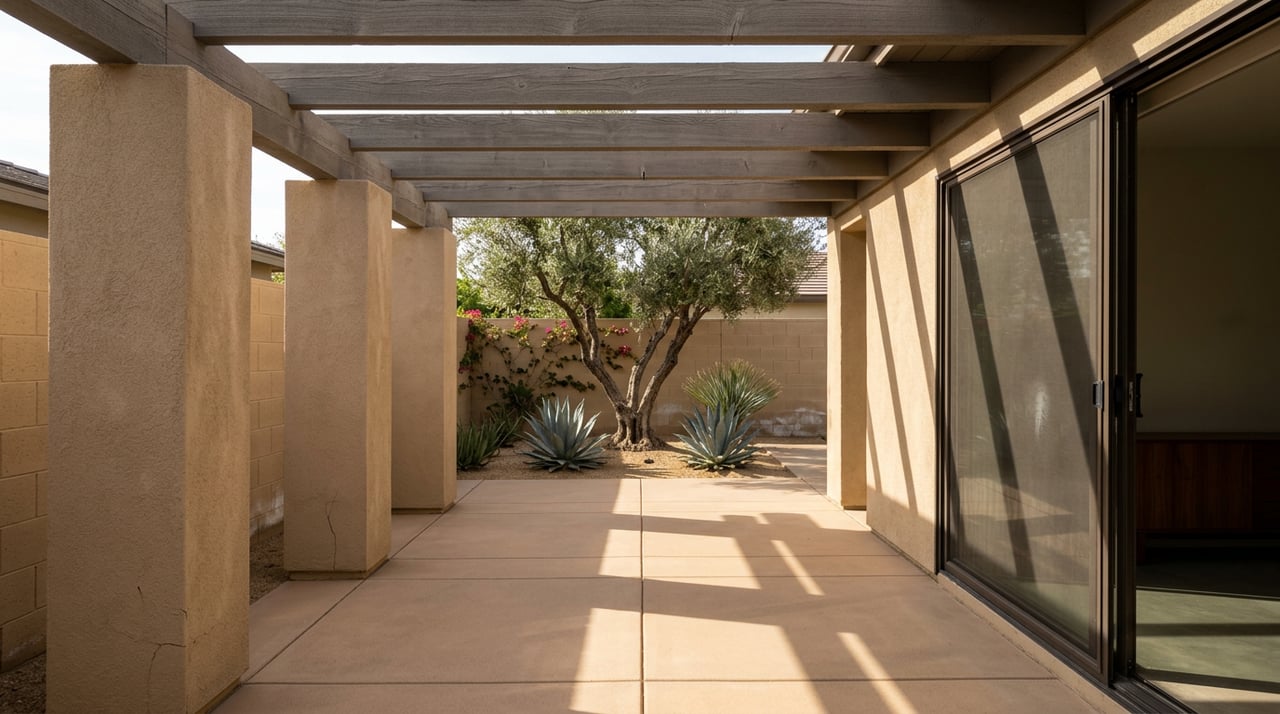
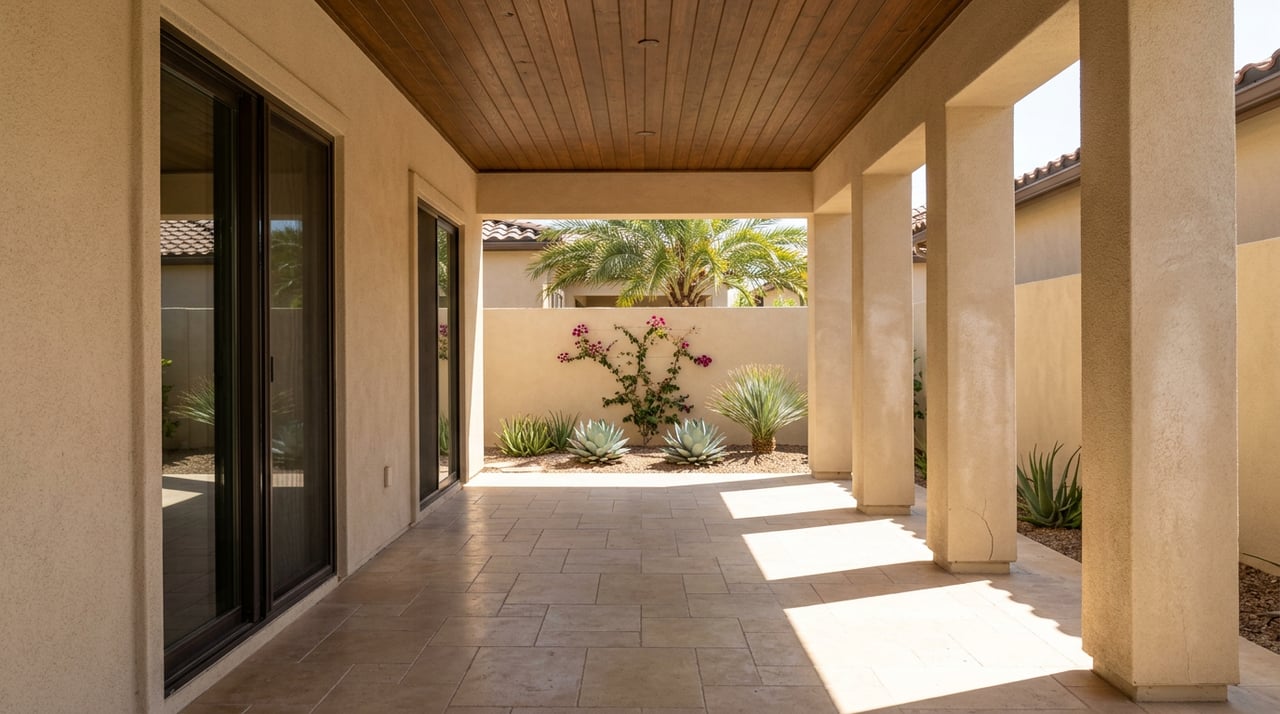
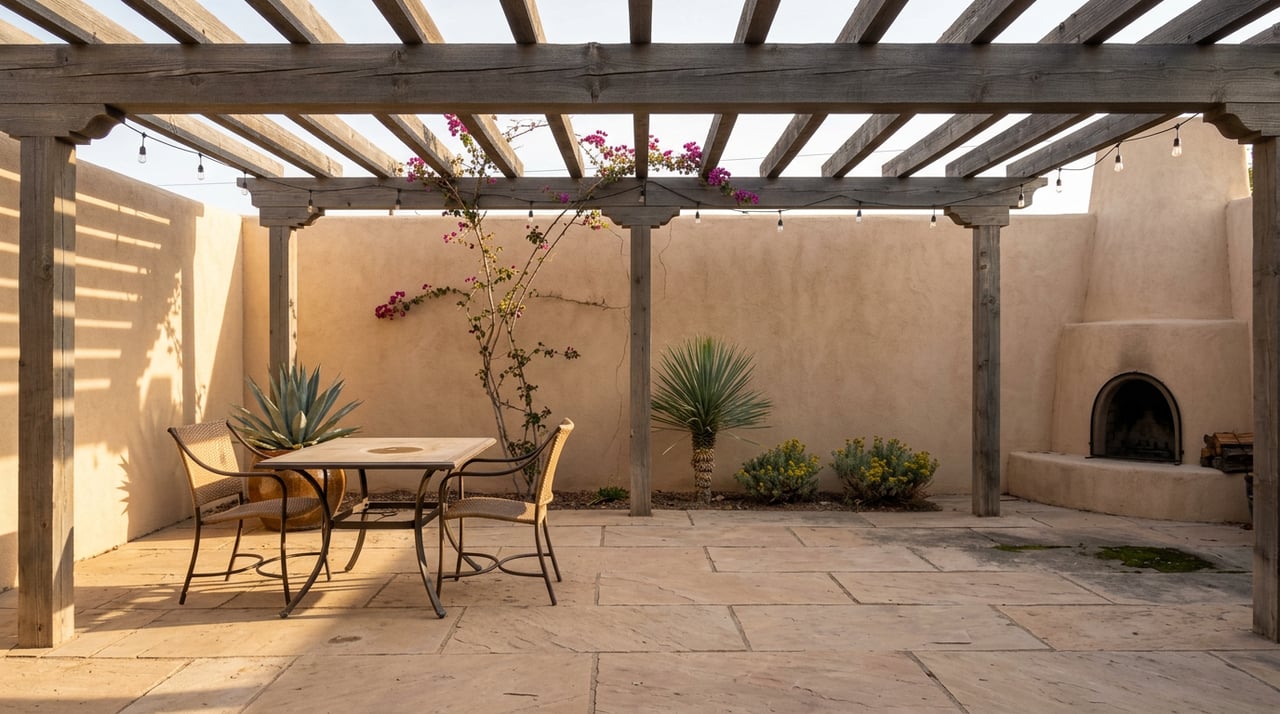
The Historic Tennis Club sits at the base of the San Jacinto Mountains, and the North Lykken Trail is close enough that a morning hike does not require a drive. It is the kind of amenity that shows up on nobody's listing sheet but shapes how residents actually structure a Saturday: coffee, a climb up the mountain's edge, then back down into a neighborhood where the architecture runs from Mid-Century Modern and Bauhaus to Desert Modernism, Post and Beam, and Spanish Revival, according to the neighborhood association's own description of its roughly 250 single-family homes and more than 25 boutique inns.
The Group That Actually Runs the Calendar
Here is the part that outside guides consistently miss. The neighborhood has its own volunteer organization, the Historic Tennis Club Neighborhood Organization, and it functions as the real social infrastructure for people who live here, independent of whether they have any relationship to the club itself.
HTCNO's own updates describe an Annual Meeting and Social that drew 150 neighbors to the O'Donnell Golf Club, complete with a tennis-ball-guessing contest that sent one winner home with a $100 gift card to Spencer's. The board has also rolled out new neighborhood blade signs with an updated logo, expanding the count from 10 signs to more, and it participates in Organized Neighborhoods of Palm Springs, a citywide network where representatives from HTCNO and other associations meet monthly to raise concerns directly with the city.
None of that requires club membership. It requires showing up to a meeting, which is a much lower bar and a much more accurate description of how the neighborhood actually organizes itself day to day. The club's name persists on the map. The association's calendar is what persists on the ground.
What This Actually Means If You Live Here
Put the pieces together and the neighborhood's real identity comes into focus. The name commemorates a private club most residents will never enter as members. The two buildings connected to that history, the old clubhouse and the Roberson family home, have been repurposed into the restaurants that actually anchor daily and weekly routines. The trail that structures weekend mornings has nothing to do with tennis at all. And the group that keeps the neighborhood connected, plans social events, and pushes concerns up to the city is not the club board, it is a volunteer association meeting at a different property entirely.
If you have lived here for years, none of that is a surprise, exactly, but it is rarely stated plainly. Most write-ups treat the Historic Tennis Club as a single unit defined by its name and its architecture. It functions instead as a set of overlapping systems, a dining scene inherited from a defunct club, a trailhead borrowed from the mountain, and a neighbor-run association doing the actual organizing work. That is a more accurate map of the place than "historic neighborhood with tennis in the name," and it is the version worth knowing if someone ever asks you what it is actually like to live here.
Marco Colantonio spends most of his time on the Palm Springs side of these questions: what a neighborhood's history actually means for the people living in it today, and how that history shows up when it comes time to sell a home here or help a buyer understand what they are stepping into. If you are weighing a move within the Historic Tennis Club or anywhere else in the Coachella Valley, Marco Colantonio is worth a conversation before you make any decisions. Request a Free Market Consultation to talk through what your specific block, not just the neighborhood name, is actually worth right now.