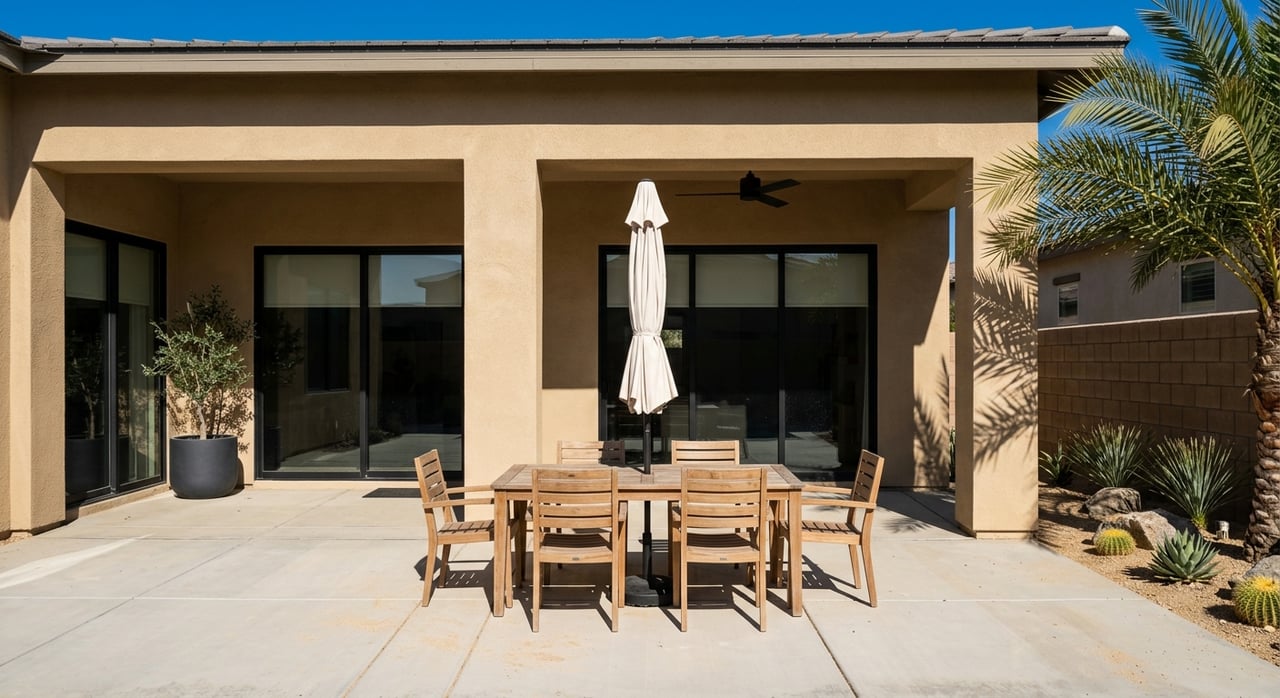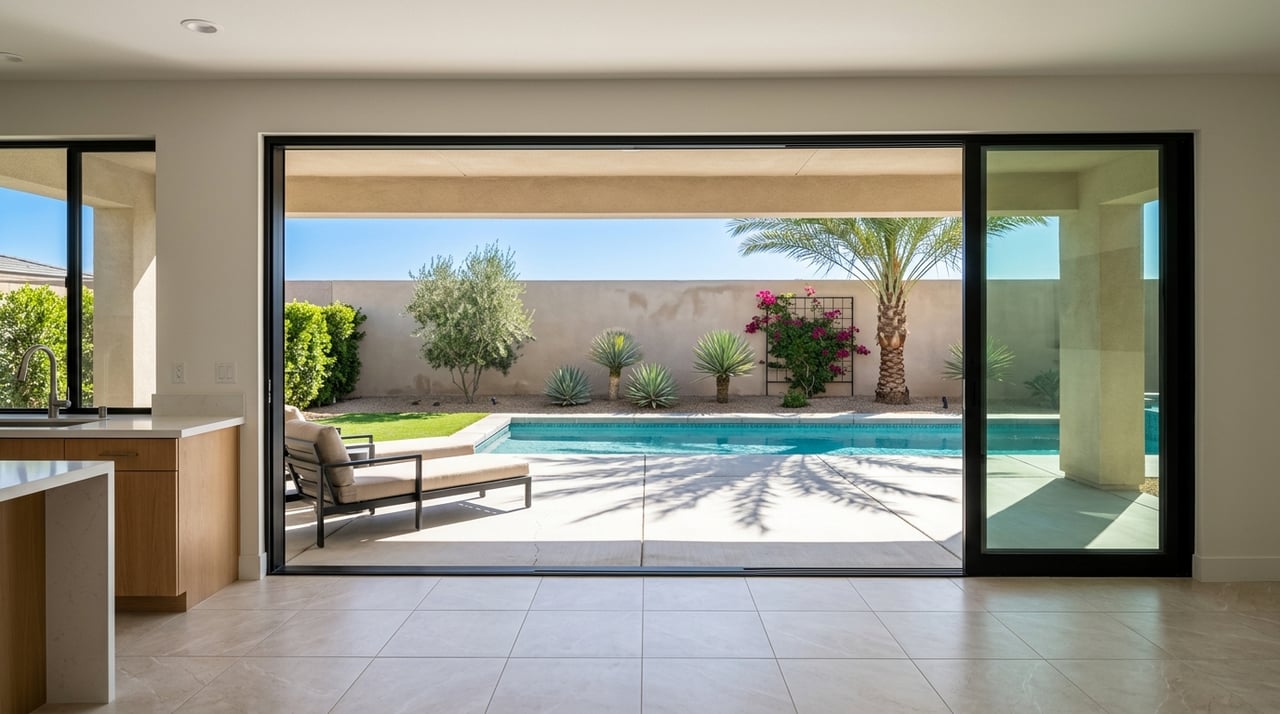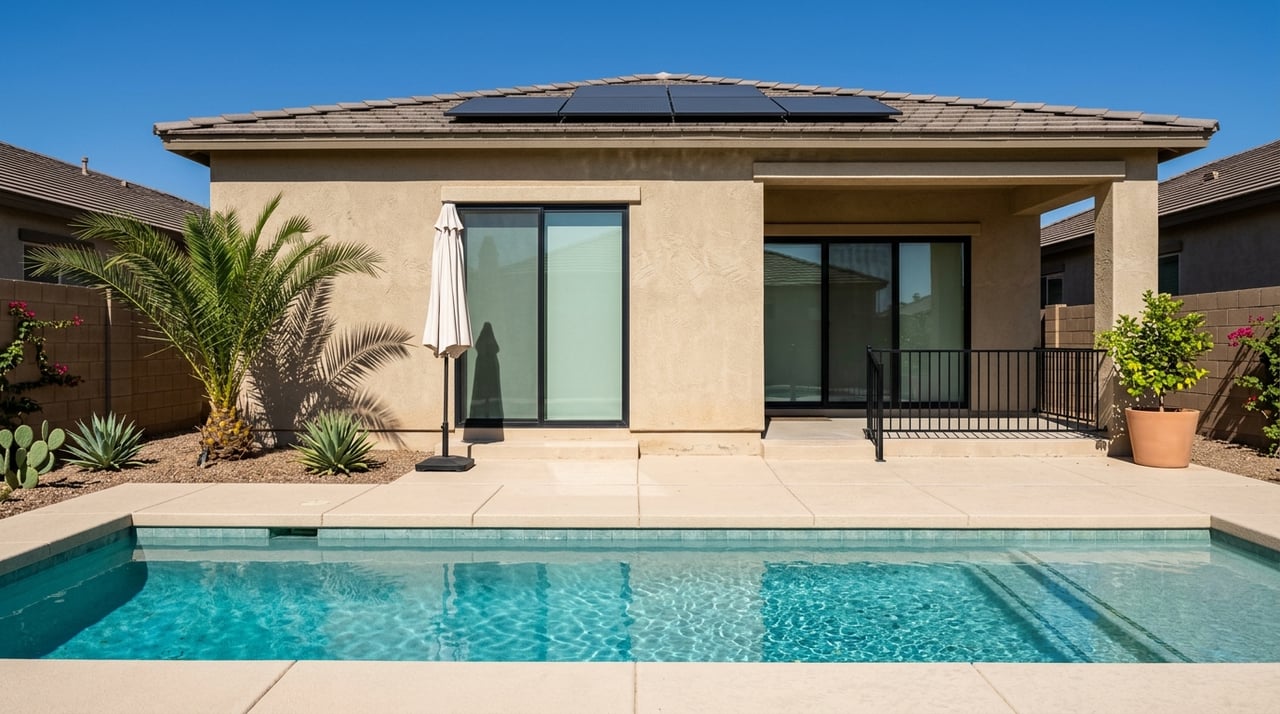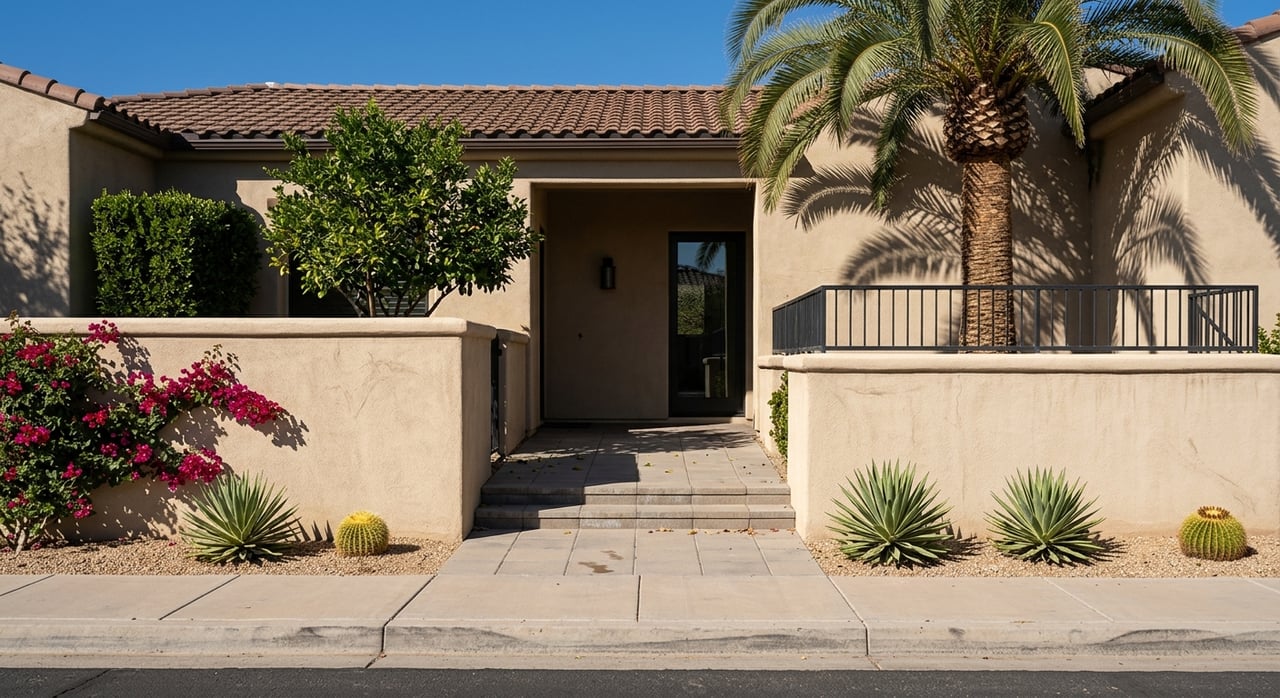
Wondering whether The Mesa and Historic Tennis Club feel more like a private retreat or a front-row seat to classic Palm Springs? The answer is a little of both, which is exactly why these neighboring areas stand out. If you are exploring a move, a second home, or an investment in Palm Springs, this guide will help you understand the lifestyle, setting, architecture, and day-to-day rhythm you can expect. Let’s dive in.
The Mesa and Tennis Club at a Glance
The Mesa and Historic Tennis Club sit close to each other, but they offer slightly different versions of Palm Springs living. The Mesa feels more tucked away, with a mostly residential setting at the base of the San Jacinto Mountains. Historic Tennis Club feels more connected to downtown, where residential streets mix with boutique inns, hotels, and a strong sense of resort-era history.
The City of Palm Springs recognizes both as official neighborhoods. The Mesa has about 180 homes and is known for its mountain views, historic gatehouse near El Portal and South Palm Canyon Drive, and mostly residential character. Historic Tennis Club includes about 250 single-family residences plus condos, along with more than 25 boutique inns and hotels.
Living in The Mesa
A quieter residential setting
If you want a neighborhood that feels peaceful and established, The Mesa has a distinct appeal. It sits at the base of the mountains, which gives many homes dramatic natural backdrops and a sense of privacy. The area reads as residential first, with Moorten Botanical Garden as its notable non-residential landmark.
That setting shapes the pace of daily life. Streets tend to feel calmer and more tucked away than the downtown core. For many buyers, that balance of seclusion and convenience is a big part of The Mesa’s draw.
Mountain views and character
One of the biggest lifestyle features in The Mesa is the scenery. The city notes that mountain views are visible from nearly every lot, which adds a strong visual connection to the desert landscape. It is the kind of setting that makes early mornings and sunset evenings feel especially memorable.
The neighborhood also carries a lot of architectural personality. Homes range from Spanish-style and adobe properties to California Ranch, mid-century modern, and contemporary designs. Notable examples include Donald Wexler butterfly-style homes, an Alexander home, and the well-known “Ship of the Desert” Streamline Moderne house.
Old Palm Springs atmosphere
The Mesa is closely tied to the celebrity-era story of Palm Springs. City materials connect the neighborhood to former residents such as Clark Gable, Carole Lombard, Zane Grey, Johnny Mercer, Sonny Bono, Barry Manilow, Robert Wagner, Natalie Wood, and Suzanne Somers. That history adds interest without making the area feel staged or overly polished.
Instead, the appeal shows up in smaller moments. You see it in the architecture, the long-established streetscape, and the way the neighborhood feels rooted in Palm Springs history. If you are drawn to homes with design character and a sense of place, The Mesa offers that in a very tangible way.
Living in Historic Tennis Club
Downtown access and walkability
Historic Tennis Club offers a different kind of energy. It is more directly tied to downtown Palm Springs, which the city describes as a compact, walkable center of activity. That means restaurants, shopping, and cultural stops are much more woven into everyday life here.
This is a strong fit if you like the idea of stepping out for dinner, strolling around downtown, or being close to Palm Springs landmarks. Visit Palm Springs notes that destinations in and around the Tennis Club area are just steps from restaurants, shops, the Palm Springs Art Museum, and the Historic Tennis Club District. The result is a neighborhood that feels connected and lively without losing its historic identity.
Boutique hotel and resort feel
Historic Tennis Club stands out for its mix of residences and hospitality properties. The neighborhood organization says it includes more than 25 boutique inns and hotels, which gives the area a unique lived-in resort atmosphere. It does not feel like a typical suburban neighborhood, and that is part of its charm.
Palm Springs tourism sources describe many boutique hotels in this area as small, independently operated properties with distinctive design and a strong connection to architecture or setting. That blend of homes, inns, pools, courtyards, and historic buildings creates a neighborhood experience that feels unmistakably Palm Springs.
Architecture with historic depth
The architecture in Historic Tennis Club is another major draw. The neighborhood organization highlights Mid-Century Modern, Bauhaus, Desert Modernism, Post and Beam, and Spanish Revival styles. Homes and buildings here are linked to architects including William Krisel, Herbert Burns, and Albert Frey.
City planning documents also describe the district as an important historic area with architecturally, socially, and culturally significant hotels, small resorts, and residences. If you appreciate design and enjoy neighborhoods with visual variety, Historic Tennis Club delivers a lot to take in.
How the lifestyles compare
The Mesa vs. Historic Tennis Club
The easiest way to understand these neighborhoods is to think about the lifestyle each one supports. The Mesa leans more private, residential, and mountain-backed. Historic Tennis Club leans more walkable, downtown-connected, and resort-infused.
Here is a simple side-by-side view:
| Feature | The Mesa | Historic Tennis Club |
|---|---|---|
| Overall feel | Quiet, tucked-away, mostly residential | Historic, lively, downtown-adjacent |
| Housing mix | About 180 homes | About 250 single-family homes plus condos |
| Setting | Base of the San Jacinto Mountains | Near the downtown core |
| Notable character | Mountain views, eclectic homes, historic gatehouse | Boutique inns, walkability, resort-era identity |
| Architecture | Spanish, adobe, Ranch, mid-century modern, contemporary | Mid-Century Modern, Bauhaus, Desert Modernism, Post and Beam, Spanish Revival |
If your ideal day starts with quiet surroundings and mountain views, The Mesa may feel like the better match. If you want easy access to downtown dining and a neighborhood with a boutique-hotel atmosphere, Historic Tennis Club may be more your speed.
Architecture and design appeal
Palm Springs is known for design, and both of these neighborhoods reflect that in different ways. The Mesa feels more eclectic, with a broad range of home styles and a looser, more residential expression of Palm Springs architecture. Historic Tennis Club feels more tied to the city’s resort and hospitality history, where architecture and lifestyle are closely linked.
This matters if you are shopping with aesthetics in mind. Buyers who love mid-century modern homes, Spanish Revival details, or architecturally important properties often find both neighborhoods compelling, just for different reasons. The setting, lot orientation, and relationship to downtown can become just as important as the style of the home itself.
Outdoor access and daily life
One of the best things about living in this part of Palm Springs is how easy it is to blend outdoor time into your routine. The Agua Caliente Band of Cahuilla Indians says Indian Canyons offers more than 60 miles of hiking trails. Tahquitz Canyon includes a roughly 2-mile journey to a 60-foot waterfall and rock art sites.
That proximity supports a lifestyle many buyers want when they come to Palm Springs. You can picture a morning hike, a relaxed afternoon by the pool or in a shaded courtyard, and an evening dinner downtown. In The Mesa and Historic Tennis Club, that rhythm feels especially natural because the neighborhoods sit so close to both natural beauty and city amenities.
Moorten Botanical Garden also adds a distinctive local touch, especially for those drawn to The Mesa. It reinforces the desert setting and gives the neighborhood a memorable landmark that feels true to Palm Springs rather than generic.
Who these neighborhoods suit best
The Mesa and Historic Tennis Club can appeal to different types of buyers, even though they sit close together. If you are looking for a second home with architectural character and a more private setting, The Mesa may be especially appealing. If you want a home or condo that puts you closer to downtown activity and the historic resort atmosphere Palm Springs is known for, Historic Tennis Club may deserve a closer look.
Both can also make sense for buyers who care about design, lifestyle, and location more than sheer square footage. In Palm Springs, the feel of a neighborhood often shapes the value of ownership just as much as the home itself. That is why it helps to tour these areas with someone who understands their differences block by block.
Why local guidance matters here
On paper, The Mesa and Historic Tennis Club may seem similar because both offer history, architecture, and strong Palm Springs identity. In person, the differences are clearer. Street feel, mountain orientation, proximity to downtown, and the balance between residential quiet and resort activity all play a role in which area feels right for you.
If you are comparing homes in these neighborhoods, it helps to work with an agent who understands Palm Springs lifestyle property, design appeal, and the nuances that shape buyer demand. That kind of local perspective can help you narrow your search with more confidence and spot the right opportunity faster.
If you are thinking about buying or selling in The Mesa or Historic Tennis Club, Marco Colantonio can help you navigate the Palm Springs market with clear advice, local insight, and a polished, high-touch approach.
FAQs
What is it like to live in The Mesa in Palm Springs?
- The Mesa feels mostly residential, quiet, and tucked against the San Jacinto Mountains, with mountain views from nearly every lot and a strong sense of architectural character.
What is it like to live in Historic Tennis Club in Palm Springs?
- Historic Tennis Club feels more connected to downtown Palm Springs, with walkable access to restaurants, shops, and cultural attractions, plus a mix of homes, condos, and boutique inns.
Is The Mesa or Historic Tennis Club better for walkability?
- Historic Tennis Club is more closely tied to the compact downtown core, so it generally offers easier walkable access to dining, shopping, and nearby attractions.
What kinds of homes are in The Mesa and Historic Tennis Club?
- The Mesa includes Spanish-style, adobe, California Ranch, mid-century modern, and contemporary homes, while Historic Tennis Club features Mid-Century Modern, Bauhaus, Desert Modernism, Post and Beam, and Spanish Revival architecture.
Are The Mesa and Historic Tennis Club close to hiking in Palm Springs?
- Yes, both neighborhoods are well positioned for access to outdoor destinations like Indian Canyons and Tahquitz Canyon, which are well known for local hiking opportunities.
Are The Mesa and Historic Tennis Club good areas for a second home in Palm Springs?
- For many buyers, yes. Both neighborhoods offer a strong Palm Springs lifestyle, architectural appeal, and access to outdoor recreation, with The Mesa feeling more private and Historic Tennis Club feeling more downtown-oriented.